Source Hydrometallurgy Copper SX Pilot Plant for Mining
Explore 30 listings for hydrometallurgy copper SX pilot plant solutions designed for gold recovery, rock ore processing, and alluvial separation. Buyers can compare specifications, customization options, and supplier capabilities to find the right equipment for their operations; compare the available evidence and request quotations based on your requirements.
Key considerations
Products List

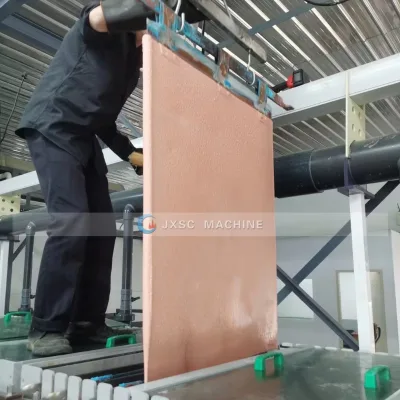
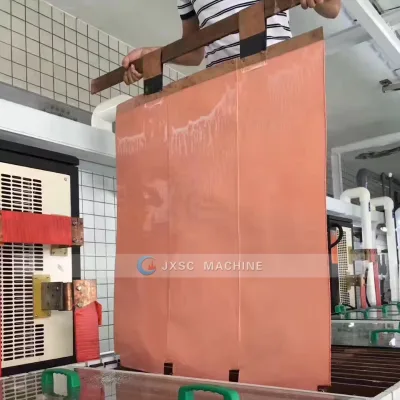
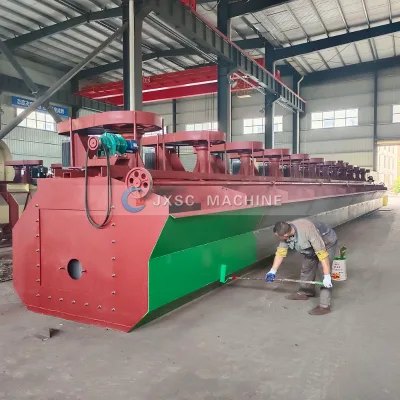
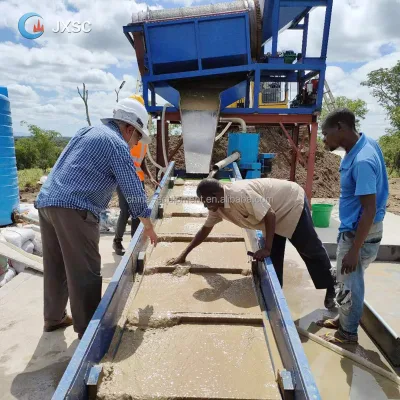
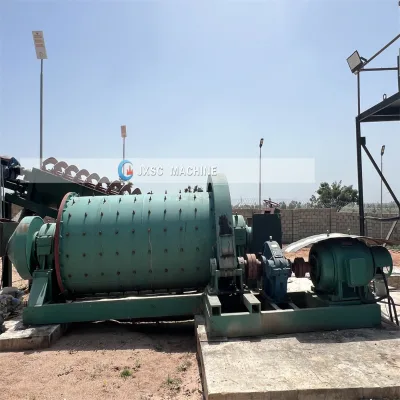
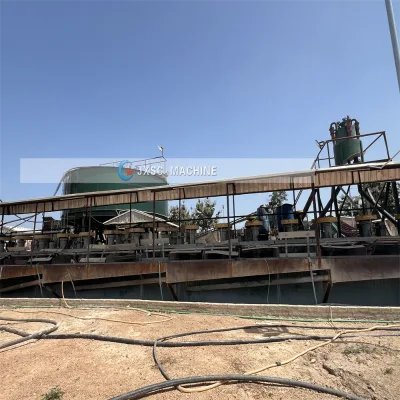


Advanced Copper Electrolytic Production Plant for Quality Copper Cathodes
$120000.00 - $4500000.00
Moq: 1


Comprehensive Sourcing Guide
Hydrometallurgy Copper SX Pilot Plant Sourcing Guide
Sourcing a hydrometallurgy copper solvent extraction (SX) pilot plant requires careful alignment of technical specifications with operational goals. Buyers must evaluate equipment that supports the separation of copper from leach solutions using organic extractants. The pilot scale allows for process optimization before full-scale implementation, ensuring that extraction efficiency and phase separation meet project requirements. Understanding the specific needs of your ore type and solution chemistry is critical for selecting the right mixer-settler or centrifugal contactor configuration.
Procurement decisions should focus on modularity and scalability. A well-designed pilot plant enables rapid testing of different reagents and operating conditions. Buyers should verify that the supplier offers customization options for flow rates, mixing intensity, and residence time. This flexibility ensures that the pilot unit can accurately simulate full-scale operations. Additionally, considering the ease of maintenance and cleaning is essential for long-term reliability and data accuracy during extended testing campaigns.
Product Scope and Observed Listing Signals
The observed market signals indicate a wide range of product offerings, with prices spanning from $22 to $4,500,000 USD. This variance reflects differences in capacity, automation level, and material construction. Minimum order quantities (MOQ) typically range from 1 to 100 units, suggesting that single-unit pilot plants are commonly available. Buyers should note that lower-priced items may represent smaller components or auxiliary equipment rather than complete SX circuits. High-value listings likely correspond to fully integrated systems with advanced control panels and robust structural frames.
Listing attributes reveal that many suppliers offer customized solutions, with conditions marked as "New" and power sources primarily electric. Some products specify automatic grades and customizable sizes, colors, and standards, indicating a high degree of flexibility in manufacturing. However, buyers must distinguish between general mining equipment and specialized hydrometallurgy units. For instance, some listings mention rock copper ore processing or gold recovery, which may not directly apply to copper SX processes. Careful filtering is necessary to identify equipment specifically designed for solvent extraction and stripping stages.
Technical Specifications to Verify
Key technical parameters to verify include the electrolysis temperature, which is observed in some listings to range from 40-60°C, though this may apply to electrowinning rather than extraction. Current density specifications of 150-250A are also noted, which are relevant for downstream electrowinning cells. Buyers should confirm the motor type, with options for diesel engine or electric motor driving, and verify voltage compatibility, such as 380V or customized inputs. The core components, including bearings, motors, and engines, must be of high quality to withstand continuous operation and chemical exposure.
Screen mesh sizes ranging from 1-25mm and feeding sizes up to 160mm or 80mm are common in associated crushing or scrubbing equipment. For the SX unit itself, verify the mixer-settler dimensions, phase separation efficiency, and organic-to-aqueous ratio capabilities. The inner plate material, often steel screw panels or rubber plates, impacts corrosion resistance. Buyers should also check the capacity, which can range from 1-50t/h to 1-300t/h, ensuring it matches your pilot testing volume. Single package sizes and weights, such as 655x150x148 cm and 1100 kg, are important for logistics planning.
Compliance and Safety Documentation
Certification is a critical factor, with CE, ISO, SGS, and BV marks frequently observed in product listings. These certifications indicate adherence to international safety and quality standards, which is essential for equipment operating in hazardous chemical environments. Buyers must request valid certificates for each major component, especially electrical systems and pressure vessels. Documentation should also include material safety data sheets (MSDS) for any wetted parts that come into contact with organic solvents or acidic solutions.
Safety features such as emergency stop buttons, leak detection systems, and proper ventilation interfaces should be verified. The warranty period, often stated as 1 year for core components or the entire machine, provides a baseline for supplier accountability. Buyers should ensure that the warranty covers both parts and labor, and clarify the scope of after-sales service, which may include field installation, maintenance, and repair. Video outgoing inspections and professional setup videos are valuable resources for verifying equipment condition before shipment and guiding initial commissioning.
Cost Drivers and Commercial Terms
Cost drivers include the level of automation, material grade (e.g., stainless steel vs. carbon steel with lining), and the complexity of the control system. Customization options, such as specific flowsheet designs by experienced engineers, add value but also increase cost. Buyers should compare the total cost of ownership, including energy consumption, maintenance requirements, and spare parts availability. The production capacity, noted as 98% in some listings, may refer to equipment uptime or extraction efficiency, which directly impacts operational costs.
Commercial terms should clearly define delivery timelines, packaging methods (e.g., wooden boxes), and installation support. Suppliers offering video instructions, drawings, or on-site engineer dispatch provide significant value, reducing downtime during commissioning. Buyers should negotiate clear terms for training and technical support. The selling unit is typically a single item, but bulk discounts may be available for multiple units or additional accessories. Understanding the payment terms and warranty conditions is crucial for risk management.
Supplier Qualification and Quality Control
Supplier qualification involves verifying their manufacturing capabilities and experience in hydrometallurgy equipment. Look for suppliers with a proven track record in providing pilot-scale solutions and positive customer feedback. The place of origin, such as Shandong or Jiangxi in China, may indicate specific industrial clusters with expertise in mining machinery. Buyers should request references from previous clients who have implemented similar SX pilot plants. Sample ores testing availability in the supplier’s workshop is a strong indicator of their technical competence and willingness to validate performance.
Quality control processes should include rigorous testing of core components like motors and bearings. Video outgoing inspections provide visual evidence of the equipment’s condition before shipment. Buyers should also verify the supplier’s ability to provide detailed assembly and operation manuals. The brand name, such as JXSC, may be associated with specific quality standards and service networks. Ensuring that the supplier offers comprehensive after-sales service, including field installation and maintenance, is essential for long-term operational success.
Long-Term Procurement Checks
Long-term procurement checks focus on the sustainability of the supplier relationship and the availability of spare parts. Buyers should assess the supplier’s ability to provide ongoing technical support and updates to the control software. The warranty period, typically one year, should be extended through service contracts if possible. Regular maintenance schedules and preventive care guidelines should be established to maximize equipment lifespan and minimize unplanned downtime.
Performance monitoring during the pilot phase is critical for validating the equipment’s suitability for full-scale deployment. Buyers should track key metrics such as extraction efficiency, phase separation clarity, and chemical consumption. Any deviations from expected performance should be addressed promptly with the supplier. Building a strong partnership with the supplier ensures access to future upgrades and expansions. Continuous communication and feedback loops help refine the process design and optimize operational parameters for maximum economic benefit.
FAQs
Can the hydrometallurgy copper sx pilot plant be customized?
Yes, customization is available for this equipment. The product attributes indicate that size, color, and standard specifications can be tailored to meet specific operational requirements. This flexibility allows buyers to adapt the system to their unique processing needs.
What certifications does the copper electrolytic cell hold?
The equipment holds CE, ISO, SGS, and BV certifications. These documents verify compliance with international safety and quality standards. Buyers can rely on these certifications to ensure the machinery meets regulatory requirements for industrial operations in various regions.
How is the installation process handled for this plant?
Installation support includes professional setup videos, work videos, and detailed drawings. Experienced engineers can also be dispatched to the mine site for field installation and maintenance. This comprehensive service ensures proper setup regardless of the buyer's location.
What is the warranty period for the gold recovery machine?
The warranty period is one year for the gold recovery machine. This coverage applies to the core components and ensures protection against manufacturing defects. Buyers receive field maintenance and repair services during this period to minimize operational downtime.
Which power source options are available for the system?
The system primarily uses an electric power source with a voltage of 380V or customized options. Some configurations may also utilize diesel engine driving. These options provide flexibility for different site power infrastructures and operational environments.
Can sample ores be tested before purchase?
Yes, sample ore testing is available in the JXSC workshop. This service allows buyers to verify the efficiency of the equipment with their specific materials. It helps confirm the recovery rates and suitability of the plant for their particular ore types.